Should I Schedule Furnace Maintenance Before the First Cold Front in North Texas?
Yes, North Texas homeowners should schedule furnace maintenance before the first cold front, ideally in September or October. A professional fall heating tune-up helps identify potential safety concerns, improve system efficiency, and reduce the risk of unexpected breakdowns. Scheduling early also gives homeowners time to address repairs before colder weather increases demand for heating services.
North Texas weather can be unpredictable. One week, your air conditioner may still be running daily, and the next, a strong cold front could have you reaching for the thermostat. That sudden transition makes fall furnace maintenance especially important for keeping your home comfortable and your heating system ready.
At Crow’s Heat & Air, we understand how important reliable heating is when temperatures drop. Our team is committed to helping homeowners prepare their HVAC systems for seasonal changes with professional service, careful inspections, and straightforward recommendations. Whether your furnace is relatively new or has been heating your home for years, preventive maintenance can help you avoid inconvenient surprises.
Why Fall Heating System Maintenance Matters in North Texas
Scheduling a furnace tune-up before winter is one of the simplest ways to prepare your home for colder temperatures. Even if your heating system worked perfectly last winter, months of inactivity can allow dust to accumulate, electrical connections to loosen, or existing problems to go unnoticed.
Here is what North Texas homeowners should know about getting their furnaces ready before the first major cold front.
1. When Is the Best Time to Schedule Furnace Maintenance in North Texas?
September and October are generally the best months to schedule furnace maintenance in North Texas. This gives homeowners an opportunity to have their heating equipment inspected before colder weather arrives.
Although North Texas typically experiences milder winters than many northern states, temperatures can change quickly during fall and winter. Waiting until the first freezing night to test your furnace can leave you dealing with a heating problem when you need warmth the most.
Scheduling early offers several advantages:
- More scheduling flexibility: Arrange service before the busiest cold-weather repair periods.
- Time for necessary repairs: Address worn components before they cause a system failure.
- Better winter preparation: Start the heating season knowing your equipment has been professionally inspected.
- Less inconvenience: Reduce the chance of discovering a problem during an unexpected temperature drop.
If October has already arrived and you have not scheduled maintenance, there is still time to prepare. The important thing is to arrange service before your furnace must operate regularly.
2. What Happens During a Professional Furnace Maintenance Appointment?
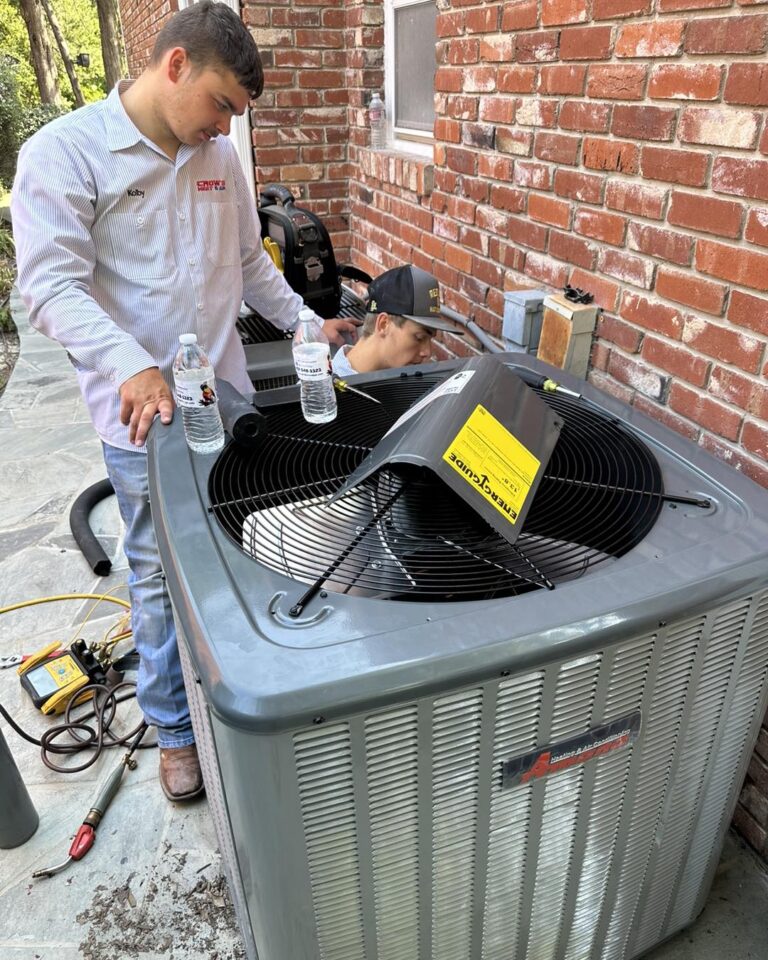
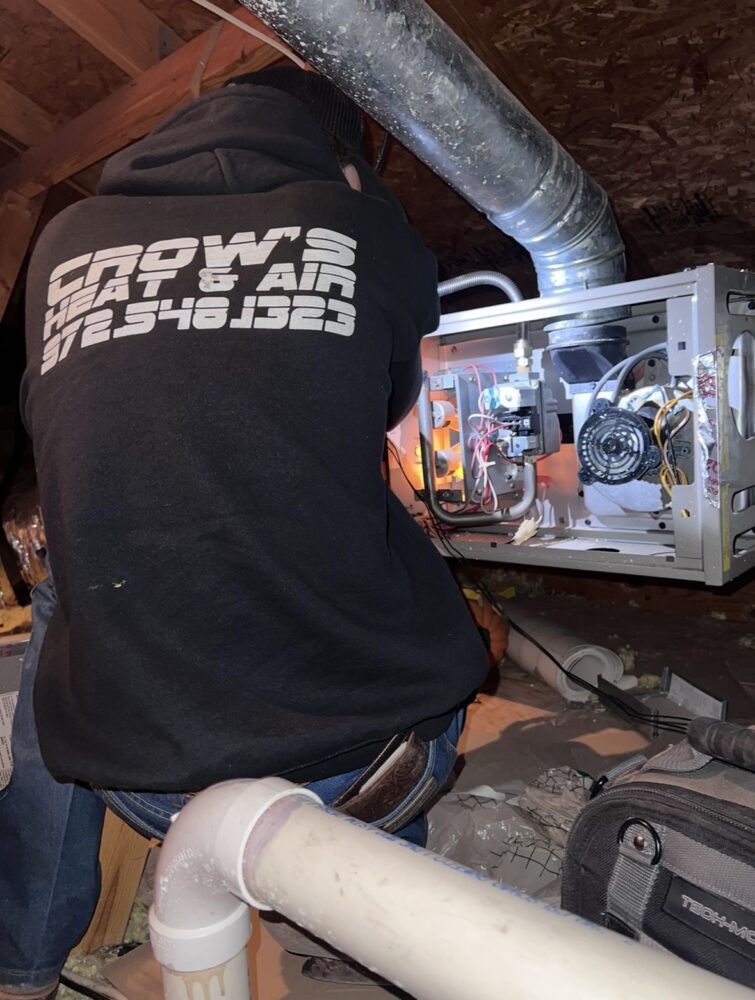
A professional furnace tune-up involves inspecting, cleaning, and testing critical heating components to verify that the system is operating properly.
A qualified HVAC technician checks for problems that homeowners may not notice during everyday use.
Depending on the type of heating equipment, a typical maintenance appointment may include:
- Inspecting the heat exchanger for visible damage or deterioration.
- Checking burners, ignition components, and flame operation on gas furnaces.
- Examining electrical connections and safety controls.
- Inspecting the blower motor and airflow.
- Checking or replacing the air filter when appropriate.
- Testing thermostat operation and heating cycles.
- Inspecting accessible venting and exhaust components.
- Checking for signs of abnormal operation or potential safety concerns.
For homes with heat pumps, maintenance involves different components, including the outdoor unit, refrigerant system, defrost operation, and auxiliary heating equipment.
The goal is not simply to make sure the furnace turns on. It is to evaluate whether the heating system can operate safely, reliably, and efficiently throughout the colder months.
3. Can Furnace Maintenance Prevent Winter Heating Breakdowns?
Routine furnace maintenance can reduce the risk of certain heating breakdowns by identifying developing problems before they cause equipment failure. However, no maintenance appointment can guarantee that a system will never need repairs.
According to the U.S. Department of Energy, maintaining heating and cooling equipment is an important part of improving energy efficiency and overall system performance.
A dirty filter, worn ignition component, or airflow restriction may seem minor during mild weather. Once outdoor temperatures drop and your furnace begins running more frequently, those problems can become more noticeable.
Common warning signs include:
- Unusual rattling, banging, or squealing sounds.
- Weak airflow from heating vents.
- A furnace that repeatedly starts and stops.
- Rooms that heat unevenly.
- Unexpected increases in heating costs.
- Difficulty reaching the thermostat’s set temperature.
If you notice these symptoms, scheduling a professional inspection before the next cold front is especially important.
Preventive service may also help extend the useful life of heating equipment by addressing conditions that contribute to unnecessary wear.
4. Is It Safe to Turn On Your Furnace Without a Fall Inspection?
A furnace does not automatically become unsafe because it has not received a fall inspection, but professional maintenance can help identify safety concerns before regular winter use.
Gas furnaces require particular attention because combustion, ventilation, and exhaust components must function correctly.
A damaged heat exchanger, blocked vent, or malfunctioning combustion system can create serious safety hazards, including potential carbon monoxide exposure.
The Centers for Disease Control and Prevention recommends having heating systems serviced annually by qualified technicians and installing carbon monoxide detectors near sleeping areas.
Before turning on your furnace for the season:
- Check your air filter and replace it if needed.
- Make sure supply and return vents are unobstructed.
- Test your thermostat’s heating setting.
- Check that carbon monoxide alarms are functioning properly if your home uses fuel-burning appliances.
- Schedule professional maintenance to inspect components that require specialized training.
If you smell natural gas, leave the building immediately and contact your gas utility or emergency services from a safe location. Do not operate switches or attempt to troubleshoot the furnace yourself.
Taking these precautions helps protect your household while preparing your heating system for winter.
5. What Should You Do If the First Cold Front Arrives Before Your Furnace Tune-Up?
If colder weather arrives before your scheduled maintenance, you can perform a few basic checks while arranging professional service as soon as practical.
Start by setting your thermostat to heating mode and raising the temperature slightly above the current indoor temperature. Listen for normal startup sounds and check whether warm air begins flowing from the vents.
Next, inspect the air filter. A clogged filter can restrict airflow and contribute to poor heating performance. Most disposable filters should be inspected monthly, with replacement frequency determined by filter type, household conditions, and manufacturer recommendations.
Also, keep furniture, rugs, and other objects away from vents and returns.
If your furnace produces unusual odors, makes loud noises, shuts down repeatedly, or fails to heat your home, contact an HVAC professional.
A brief dusty smell during initial operation can occur after months of inactivity. However, persistent burning odors, smoke, or signs of overheating should never be ignored.
Even after the first cold front, scheduling furnace maintenance remains worthwhile. A late inspection is generally better than skipping seasonal service entirely.
Frequently Asked Questions About Furnace Maintenance
How often should I have my furnace serviced?
Most homeowners should schedule professional furnace maintenance once a year, preferably before the heating season. Follow the equipment manufacturer’s maintenance requirements as well.
How long does a furnace tune-up take?
A typical furnace maintenance appointment takes approximately 60 to 90 minutes, although timing varies depending on system type, accessibility, condition, and any problems discovered.
Does a newer furnace still need annual maintenance?
Yes. Newer furnaces benefit from regular inspections, cleaning, and performance checks. Annual professional service may also be required under certain manufacturer warranty terms.
Is furnace maintenance necessary in North Texas if winters are mild?
Yes. North Texas can experience freezing temperatures and sudden cold fronts. Even systems used less frequently need periodic inspection to identify problems before they affect heating performance or safety.
Get Your Furnace Ready for North Texas Cold Weather With Crow’s Heat & Air
Don’t wait until the first freezing night to find out your furnace needs attention.
Scheduling fall furnace maintenance is a practical way to protect your comfort, prepare for changing temperatures, and reduce the likelihood of unexpected heating problems.
At Crow’s Heat & Air, we’re here to help you enter the heating season with confidence. Our professional HVAC services focus on reliable performance, attentive customer care, and helping you make informed decisions about your home’s comfort.
Ready to prepare your heating system for the next cold front? Contact Crow’s Heat & Air today to schedule your furnace maintenance appointment.