
Why Does My Furnace Keep Turning On and Off During Cold North Texas Nights?
A furnace that repeatedly turns on and off during cold North Texas nights may be experiencing short cycling, which can result from a clogged air filter, restricted airflow, thermostat problems, or overheating. While some cycling is normal, heating cycles that last only a few minutes may indicate an issue that requires professional furnace inspection or repair.
When winter temperatures drop across North Texas, homeowners depend on their heating systems to keep their families comfortable. Although the region is known for hot summers, sudden cold fronts can place additional demands on residential heating equipment.
At Crow’s Heat & Air, we understand how frustrating it can be when your furnace struggles to maintain a consistent indoor temperature. Our team helps homeowners identify heating problems, understand their options, and make informed decisions about their comfort systems.
Whether your furnace is shutting off unexpectedly, running more frequently than usual, or struggling to heat your home evenly, knowing what causes these problems can help you take the right next step.
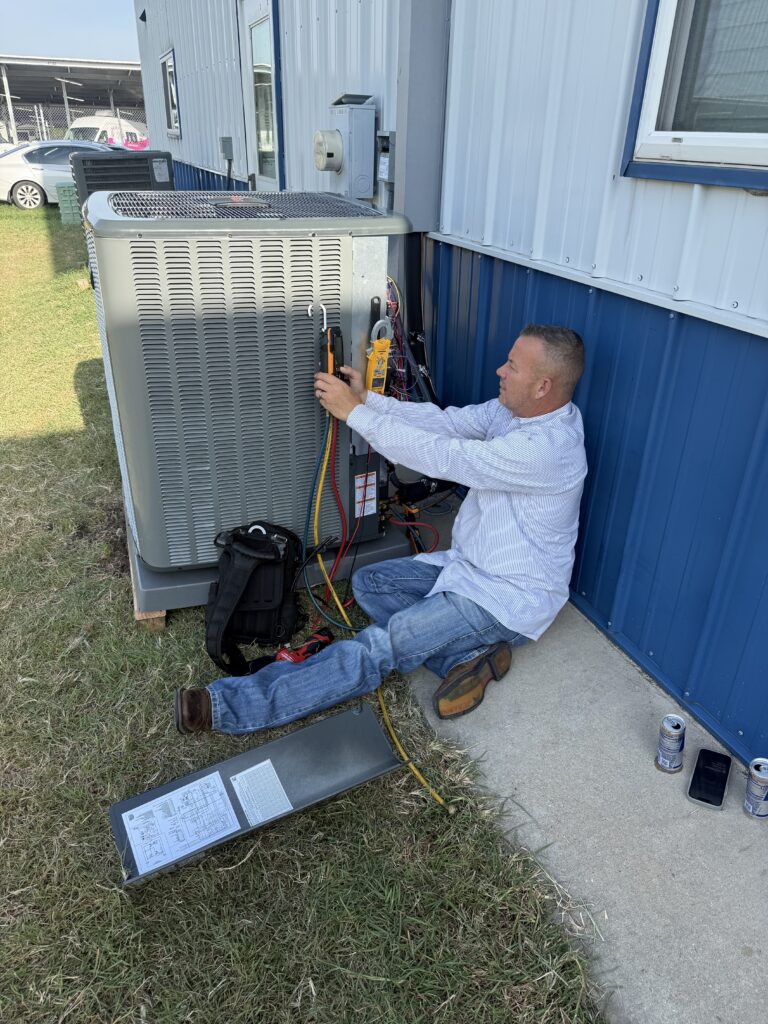
Furnace Short Cycling: Common Causes and Solutions for North Texas Homes
Furnace short cycling occurs when a heating system turns on and shuts off before completing a normal heating cycle. Instead of running long enough to reach the thermostat’s target temperature, the furnace repeatedly starts and stops.
This behavior can increase wear on heating components, create uneven indoor temperatures, and sometimes increase energy consumption.
1. What Causes a Furnace to Short Cycle?
Several mechanical, electrical, and airflow problems can cause a furnace to turn on and off too frequently.
Common causes include:
- Dirty air filters: A clogged filter restricts airflow, potentially causing the furnace to overheat and shut down through its safety controls.
- Thermostat problems: Incorrect settings, poor thermostat placement, or faulty temperature readings can trigger unnecessary heating cycles.
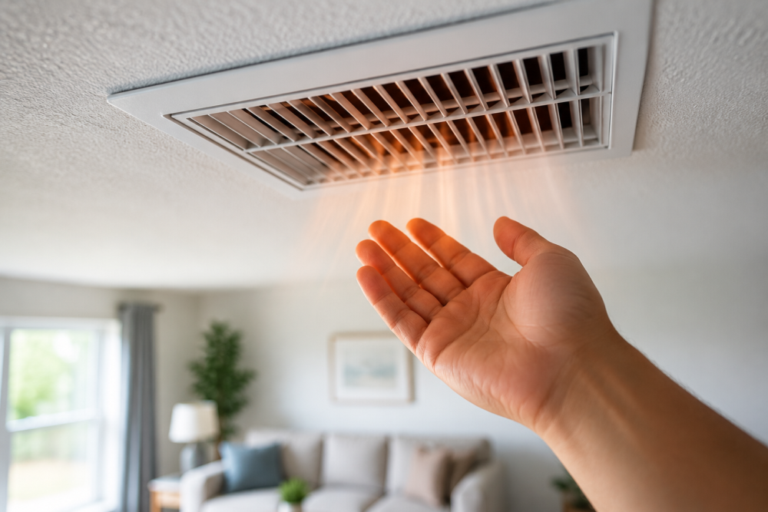
- Blocked supply or return vents: Restricted airflow can prevent heated air from circulating properly throughout the home.
- Overheating components: A furnace may shut off its burners when the high-temperature limit switch detects excessive heat.
- Improper furnace sizing: An oversized heating system may warm the thermostat area too quickly and shut off before other rooms become comfortable.
Not every short heating cycle indicates a serious malfunction. However, repeated cycles lasting only a few minutes deserve attention, especially when your home is not maintaining its desired temperature.
2. Can a Dirty Air Filter Make My Furnace Turn Off Repeatedly?
Yes. A severely clogged air filter can restrict airflow enough to cause a furnace to overheat and shut off its heating operation.
Your furnace depends on adequate airflow to move heat away from its heat exchanger and distribute warm air through the ductwork.
When airflow becomes restricted, internal temperatures can rise. A safety limit switch may then shut off the burners to help protect the equipment.
Homeowners can take several preventive steps:
- Inspect the air filter monthly during periods of heavy heating use.
- Replace disposable filters according to manufacturer recommendations and actual conditions.
- Confirm that the replacement filter is the correct size and airflow rating.
- Keep return air grilles and supply registers unobstructed.
According to the U.S. Department of Energy, replacing a dirty, clogged filter can lower an air conditioner’s energy consumption by approximately 5% to 15%. While that figure applies specifically to air conditioning, maintaining proper airflow is also important for furnace operation.
If your furnace continues short cycling after replacing a dirty filter, additional troubleshooting may be necessary.
3. How Do I Know if My Thermostat Is Causing Furnace Problems?
A thermostat may contribute to frequent furnace cycling when it incorrectly senses room temperature or sends inconsistent heating commands.
For example, a thermostat installed near a heat source, drafty doorway, or direct sunlight may not accurately represent the temperature throughout your home.
Signs of a possible thermostat problem include:
- The furnace shuts off before the home reaches the selected temperature.
- The displayed temperature does not match how the room feels.
- Heating cycles begin unexpectedly.
- The thermostat screen is blank or intermittently loses power.
- The furnace responds inconsistently when settings change.
Start by confirming that the thermostat is set to heating mode and that the desired temperature is above the current room temperature.
If your thermostat uses replaceable batteries, check whether they need replacement.
Avoid repeatedly raising and lowering the temperature in an attempt to force the furnace to run. If the issue continues, professional diagnosis can determine whether the problem involves the thermostat, wiring, or heating equipment.
4. When Should I Call an HVAC Professional for a Short Cycling Furnace?
You should schedule professional furnace service when short cycling continues after basic airflow and thermostat checks, particularly if your home cannot maintain a comfortable temperature.
Frequent cycling can sometimes indicate a problem with the furnace’s safety controls, flame sensing system, blower motor, or other internal components.
Warning signs that deserve attention include:
- The furnace starts and stops every few minutes.
- Certain rooms remain unusually cold.
- The system produces unfamiliar noises.
- Heating performance continues to decline.
- The furnace displays recurring diagnostic fault codes.
- The heating system shuts down completely.
A qualified HVAC technician can evaluate airflow, thermostat operation, safety controls, and other components to identify the underlying cause.
Homeowners should not bypass safety switches or attempt to repair gas or electrical components themselves.
If you smell gas, leave the building immediately and contact your gas utility or emergency services from a safe location.
5. How Can North Texas Homeowners Prevent Furnace Short Cycling?
Routine maintenance and proper airflow management can help reduce some of the conditions that contribute to furnace short cycling.
North Texas weather can shift quickly between mild afternoons and freezing overnight temperatures. These changes make dependable thermostat operation and properly maintained heating equipment especially important.
Consider the following preventive habits:
- Schedule professional heating maintenance before periods of heavy winter use.
- Check air filters regularly.
- Keep supply and return vents clear.
- Avoid covering thermostats with furniture or decorations.
- Pay attention to changes in heating cycle length.
- Address unusual noises or performance problems promptly.
During professional maintenance, a technician may inspect heating components, evaluate airflow, check electrical connections, and test applicable safety controls.
Preventive service cannot eliminate every unexpected breakdown, but it can help identify developing problems before they cause more significant heating interruptions.
Frequently Asked Questions About Furnace Short Cycling
Is it normal for my furnace to turn on and off frequently during winter?
A furnace normally cycles to maintain the thermostat setting. However, repeated heating cycles lasting only a few minutes, especially when the home remains cold, may indicate short cycling.
Can furnace short cycling increase my energy bills?
Yes. Frequent starts and stops can reduce operating efficiency under some conditions and may increase energy consumption. The actual impact depends on the cause, equipment, and heating demand.
Will replacing my furnace filter stop short cycling?
Replacing a clogged filter may resolve short cycling caused by restricted airflow. If the furnace continues cycling frequently, another mechanical, electrical, or control-related issue may be responsible.
Should I turn off my furnace if it keeps short cycling?
If the furnace repeatedly overheats, displays safety-related faults, or operates abnormally, turn it off and arrange professional service. If you suspect a gas leak, evacuate immediately rather than troubleshooting the system.
Keep Your North Texas Home Comfortable With Crow’s Heat & Air
A furnace that constantly turns on and off is more than an inconvenience. It can be a sign that your heating system needs attention.
Crow’s Heat & Air helps North Texas homeowners address heating concerns and maintain dependable indoor comfort throughout the colder months.
Is your furnace turning on and off too frequently? Contact Crow’s Heat & Air today to schedule professional heating service and get answers about your home’s heating system.