
Why Is My AC Blowing Warm Air? Common Causes and What to Do
AC Running but Not Cooling? Here’s Why Warm Air Is Coming From Your Vents
Few things are more frustrating during a North Texas summer than turning on your air conditioner only to feel warm air coming from the vents. When temperatures climb into the upper 90s and even exceed 100 degrees, homeowners in in North Texas rely on their HVAC systems to provide dependable cooling. If your AC is blowing warm air instead of keeping your home comfortable, it’s a sign that something isn’t working properly.
At Crow’s Heat & Air, we’ve helped homeowners throughout North Texas diagnose and repair cooling problems quickly and honestly. Sometimes the solution is as simple as replacing a dirty air filter or correcting a thermostat setting. Other times, the issue requires professional attention to prevent additional damage to your system. Understanding the most common reasons your AC is blowing warm air can help you know when you can troubleshoot the problem yourself and when it’s time to call an HVAC expert. The sooner the issue is addressed, the sooner you can restore comfort and avoid more expensive repairs.
Check the Thermostat First
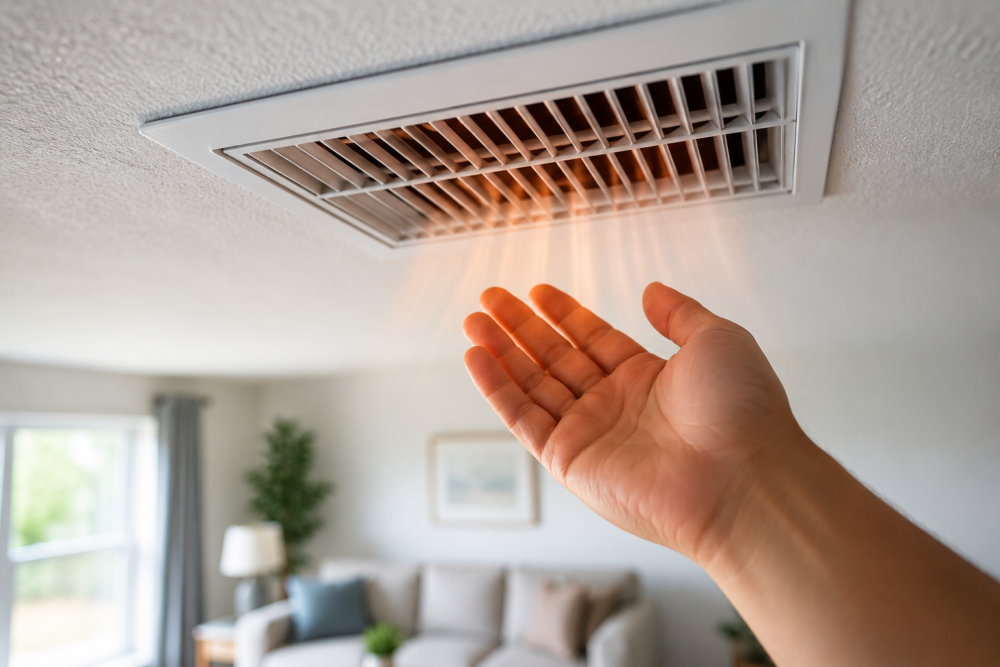
Before assuming your air conditioner has a major problem, start with the thermostat. It’s surprisingly common for the thermostat to be accidentally switched from Cool to Fan or for the temperature setting to be changed without anyone noticing.
If the fan is set to “On” instead of “Auto,” it will continue circulating air even when the cooling cycle isn’t running. That air can feel warm, especially during a hot North Texas afternoon. Verify that your thermostat is set to Cool, the fan is on Auto, and the temperature is set below your home’s current indoor temperature. This simple step solves many warm air complaints.
A Dirty Air Filter Can Restrict Airflow
A clogged air filter is one of the most common causes of poor cooling performance. As dust and debris build up, airflow becomes restricted, making it harder for your system to move cool air throughout your home.
A dirty filter can lead to:
- Reduced airflow
- Frozen evaporator coils
- Higher energy bills
- Increased wear on HVAC components
- Warm air coming from your vents
During the busy cooling season, homeowners should inspect their air filter every month and replace it as needed. This simple maintenance task helps improve efficiency while protecting your equipment.
Refrigerant Problems Require Professional Repair
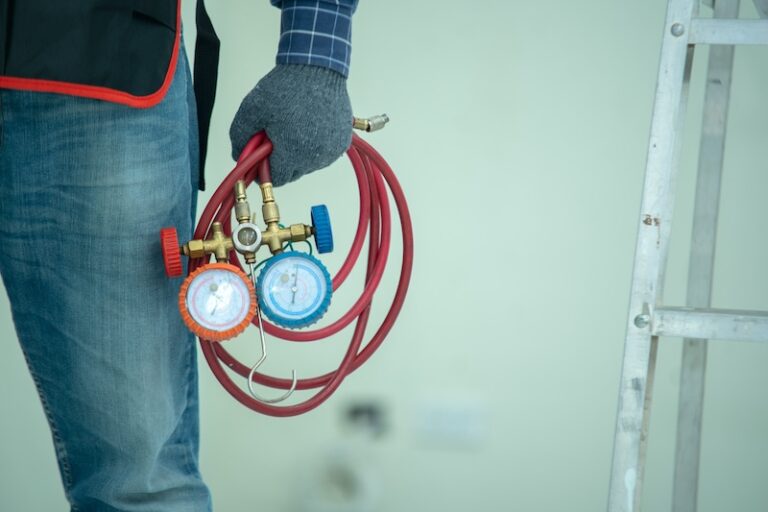
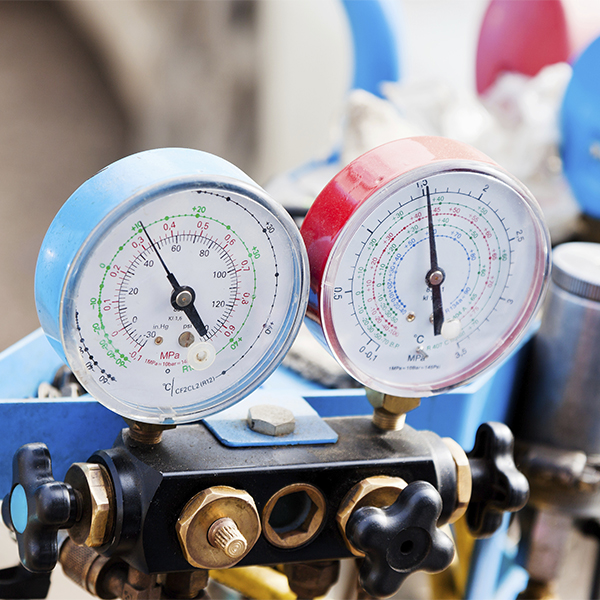
Your air conditioner relies on refrigerant to absorb heat from inside your home and release it outdoors. If refrigerant levels become low because of a leak, the system cannot cool effectively.
Signs of a refrigerant issue include:
- Warm air from the vents
- Ice forming on refrigerant lines
- Hissing sounds near the equipment
- Longer cooling cycles
- Rising indoor temperatures
Unlike replacing an air filter, refrigerant problems should always be handled by a licensed HVAC technician. Simply adding refrigerant without repairing the leak is only a temporary solution and can lead to recurring problems.
Problems With the Outdoor Unit
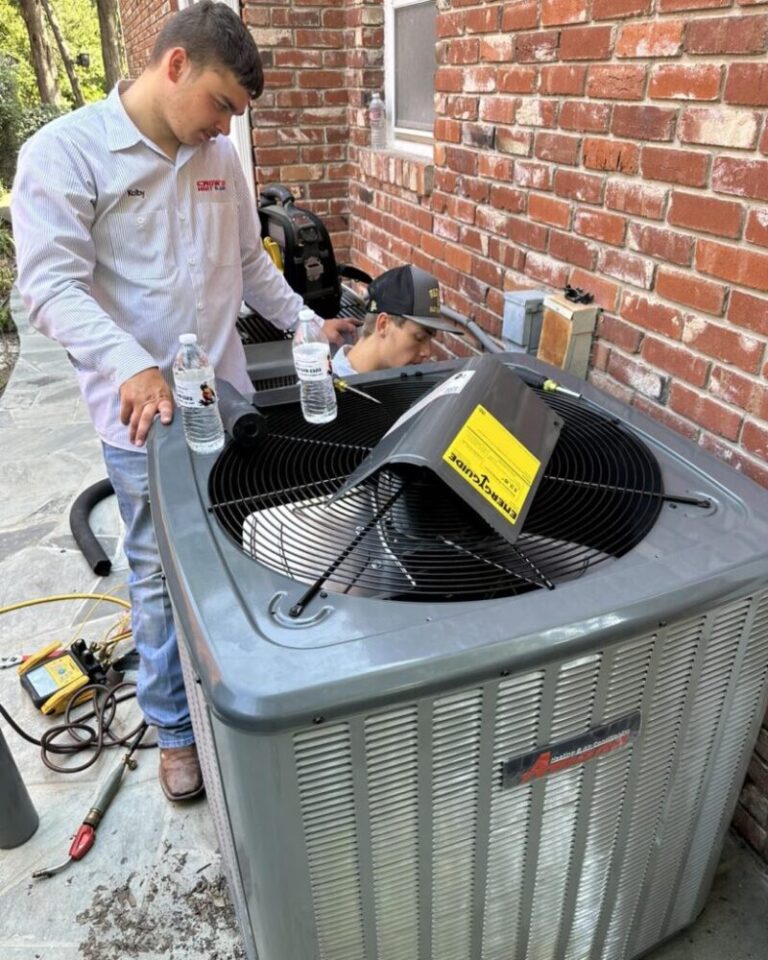
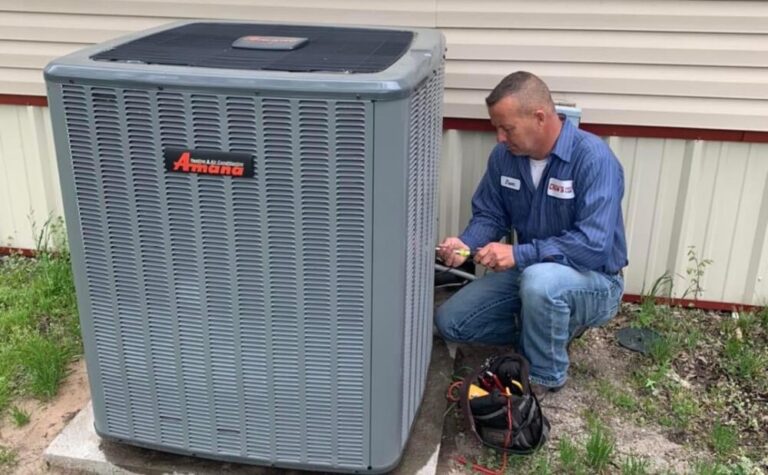
Many homeowners focus on the indoor equipment but forget about the outdoor condenser. If the outdoor unit cannot release heat properly, your air conditioner won’t be able to produce cool air.
Common outdoor unit issues include:
- Dirt and debris covering the condenser coils
- Grass clippings or leaves blocking airflow
- A tripped circuit breaker
- A failed capacitor
- Compressor problems
Take a quick look outside to make sure the unit is free of debris and that the fan is operating. If the outdoor unit isn’t running or you hear unusual noises, it’s time to schedule professional service.
North Texas Heat Can Push Your System to Its Limits
Even a healthy air conditioner works harder during a North Texas summer. On extremely hot afternoons, your AC may run longer than usual to maintain indoor comfort.
However, if your system is blowing warm air instead of simply running longer, it’s a sign that something isn’t operating correctly. Aging equipment, dirty coils, poor insulation, or an undersized system can all reduce cooling performance during extreme heat. Regular maintenance helps your system perform more efficiently when you need it most.
When It’s Time to Call Crow’s Heat & Air
Some AC problems can be resolved with simple homeowner maintenance, but others require professional diagnosis.
Contact an HVAC technician if you notice:
- Warm air continues after checking the thermostat
- The outdoor unit won’t turn on
- Ice is forming on the system
- Your home won’t reach the thermostat setting
- Unusual noises or burning odors
- Utility bills increase without explanation
Prompt repairs can prevent additional damage and help restore your comfort faster.
Don’t Sweat Through Another North Texas Summer
If your AC is blowing warm air, don’t ignore the warning signs. What starts as a small issue can quickly become a costly repair if left untreated. Whether the problem is a dirty filter, low refrigerant, or a failing component, addressing it early helps protect your system and keeps your family comfortable.
Crow’s Heat & Air proudly serves homeowners throughout Lewisville and the surrounding North Texas communities with trusted HVAC repairs, maintenance, and system replacements. Our experienced team is committed to providing honest recommendations and dependable service you can count on.
Ready to get your AC blowing cold air again? Contact us today to schedule service with Crow’s Heat & Air and let our experts restore your home’s comfort.