

Why Does My Heater Smell Like It Is Burning the First Time I Turn It On?
A burning smell when you first turn on your heater is often caused by dust that has collected on heating components during months of inactivity. As the system warms up, the dust can produce a temporary burning odor that typically fades within minutes. However, strong, persistent, electrical, or smoky smells may indicate a problem requiring professional HVAC service.
When the first North Texas cold front arrives, many homeowners switch from air conditioning to heating almost overnight. After months of warm weather, turning on your furnace can sometimes produce an unexpected smell that leaves you wondering whether something is wrong.
At Crow’s Heat & Air, we understand how concerning an unusual heating odor can be, especially when your family is counting on a comfortable, safe home. Our experienced HVAC team helps North Texas homeowners identify heating problems, maintain their equipment, and prepare for seasonal temperature changes. While some startup odors are harmless, others deserve immediate attention. Knowing the difference can help you protect your home, avoid unnecessary worry, and recognize when professional heating repair is needed.

Burning Smell From Your Heater: What’s Normal and When Should You Worry?
Not every burning odor means your furnace is malfunctioning. The type of smell, how long it lasts, and whether other symptoms appear can help determine what to do next.
Here are the most common reasons your heater smells like it is burning and how to respond safely.
1. Why Does My Furnace Smell Like Burning Dust After Being Off All Summer?
A dusty burning smell is one of the most common reasons a heater produces an odor during its first heating cycle of the season.
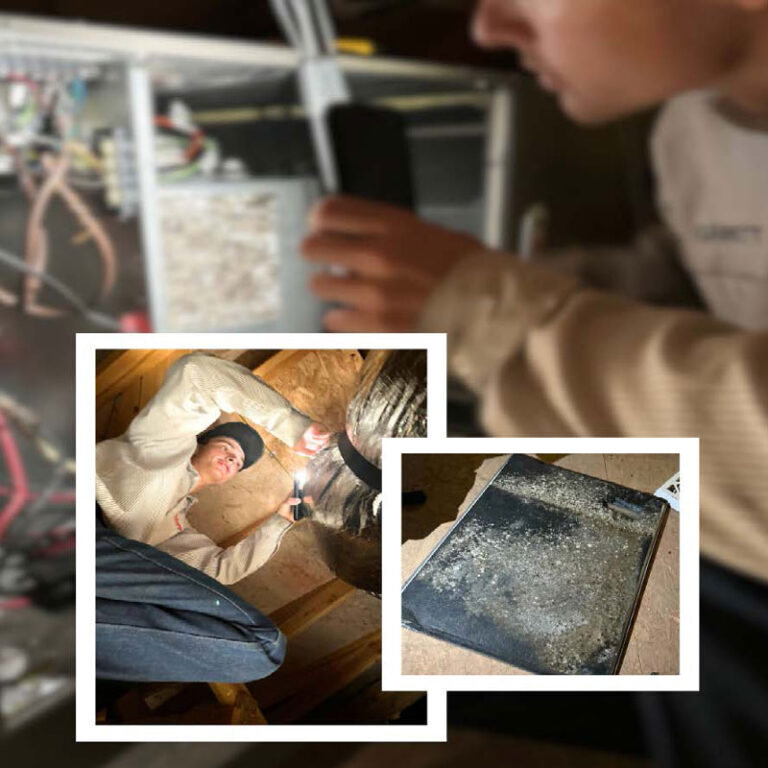
During spring and summer, dust can settle on furnace components, including the heat exchanger and nearby surfaces. When you turn on the heat, these components warm up and the accumulated dust may produce a noticeable odor.
This is particularly common in North Texas, where homeowners often use air conditioning for much of the year before switching to heat during fall.
Signs the odor may be normal include:
- A mild, dusty, or slightly toasted smell.
- An odor that begins shortly after the heater starts.
- A smell that fades as the system continues operating.
- No visible smoke, unusual noises, or heating problems.
A typical dust-related startup odor should begin fading within several minutes, although the exact duration varies by system and the amount of dust present.
If the smell continues, becomes stronger, or returns every time the heater runs, turn the system off and schedule a professional inspection.
2. What Burning Heater Smells Could Indicate a Serious Problem?
Strong electrical, plastic, rubber, or smoky odors are warning signs that should not be dismissed as normal furnace startup smells.
Different odors may point to different heating system problems.
Burning plastic or electrical smell: This may indicate overheated wiring, damaged electrical components, or a malfunctioning blower motor. Turn off the heating system and contact an HVAC professional.
Burning rubber smell: A rubber-like odor can sometimes result from an overheating motor component or other mechanical problem. Professional diagnosis is recommended before restarting the system.
Strong smoke or persistent burning smell: An intense odor, especially with visible smoke, could indicate overheating or another potentially dangerous condition.
Rotten egg or sulfur smell: This is not a normal burning-dust odor. Natural gas suppliers add an odorant to help people detect gas leaks. If you suspect a gas leak, leave the building immediately and contact your gas utility or emergency services from outside.
According to the National Fire Protection Association (NFPA), heating equipment is a significant cause of home fires in the United States. This makes it important to take unusual heating odors and signs of overheating seriously.
If you see smoke or flames, evacuate and call 911. Do not attempt to investigate or restart the equipment.
3. Can a Dirty Air Filter Make My Heater Smell Like It Is Burning?
Yes. A severely clogged air filter can restrict airflow and contribute to furnace overheating, which may produce unusual odors or trigger safety shutdowns.
Your HVAC air filter captures airborne particles as air circulates through the system. Over time, dirt and debris can accumulate, reducing the amount of air moving through your furnace.
When airflow becomes restricted, the heating system may operate at higher temperatures than intended.
Common signs of a dirty or clogged filter include:
- Reduced airflow from vents.
- Uneven temperatures throughout the home.
- Longer heating cycles or repeated shutdowns.
- Excessive dust around registers.
- Unusual overheating odors.
The U.S. Department of Energy recommends checking HVAC filters regularly and replacing dirty filters to help maintain system efficiency.
For many North Texas households, inspecting the filter monthly is a practical habit, especially during seasonal transitions.
Always use the filter size and specifications recommended for your equipment. If the furnace has overheated or repeatedly shut down, changing the filter alone may not resolve the underlying problem.
4. What Should I Do If My Heater Smells Like It Is Burning?
If your heater produces a burning smell, first determine whether the odor is mild and temporary or strong and potentially hazardous.
Follow these steps to respond appropriately:
- Identify the odor. A faint dusty smell during the first heating cycle may be normal. A sharp electrical, melting plastic, or strong smoky smell is not.
- Watch for warning signs. Visible smoke, unusual sounds, repeated shutdowns, or weak airflow can indicate a problem.
- Turn off the heater if the smell is concerning. Do not continue operating equipment that appears to be overheating.
- Check the air filter when safe. A dirty filter may contribute to restricted airflow, but it should not be assumed to be the only cause.
- Contact a qualified HVAC technician. Professional inspection is the safest way to diagnose persistent or unusual burning odors.
If the odor is mild and clearly dusty, with no other warning signs, you can observe whether it fades during the initial heating cycle.
Never ignore a smell that grows stronger, causes irritation, or repeatedly returns. Avoid opening furnace panels or attempting electrical repairs yourself.
Remember that carbon monoxide is odorless. A lack of unusual smells does not guarantee that a fuel-burning heating system is operating safely.
5. How Can Fall Furnace Maintenance Prevent Burning Smells?
Annual furnace maintenance can help reduce dust buildup, identify overheating risks, and detect developing heating problems before the coldest weather arrives.
North Texas temperatures can shift quickly during fall and winter, making preventive heating service especially valuable.
During a professional heating maintenance appointment, a technician may:
- Inspect and clean accessible furnace components.
- Check electrical connections and safety controls.
- Evaluate airflow and blower operation.
- Inspect burners and ignition components on gas furnaces.
- Check accessible venting and combustion-related components.
- Test the heating system for proper operation.
The Centers for Disease Control and Prevention recommends annual servicing of fuel-burning heating systems by qualified technicians to help prevent carbon monoxide hazards.
Scheduling maintenance before the first major cold front gives homeowners an opportunity to address problems before heating becomes essential.
Although maintenance cannot eliminate every future odor or mechanical issue, it can help your system operate more reliably throughout the heating season.
Frequently Asked Questions About Burning Heater Smells
How long should a burning smell last when turning on the heat for the first time?
A mild dust-related burning smell often begins fading within several minutes. If the odor remains strong, persists, or returns repeatedly, turn off the system and arrange an inspection.
Is it normal for my heater to smell like burning plastic?
No. A burning plastic smell may indicate overheated wiring, insulation, or another electrical component. Turn off the heater and contact an HVAC technician before using it again.
Can a furnace cause carbon monoxide poisoning without a burning smell?
Yes. Carbon monoxide is an odorless, colorless gas that can be produced by malfunctioning fuel-burning appliances. Install carbon monoxide alarms and have gas heating equipment professionally inspected.
Should I call an HVAC technician if the burning smell goes away?
If the odor was mild, dusty, occurred only during the first heating cycle, and disappeared quickly without other symptoms, an urgent repair visit may not be necessary. Annual furnace maintenance is still recommended.
Keep Your North Texas Home Safe and Comfortable With Crow’s Heat & Air
Don’t ignore unusual heater smells when the temperatures start to drop!
A temporary dusty odor may be a normal part of starting your furnace for the season, but persistent burning smells can signal problems that deserve professional attention.
At Crow’s Heat & Air, we’re committed to helping North Texas homeowners enjoy dependable heating, improved comfort, and peace of mind throughout the colder months. Whether you need seasonal furnace maintenance or help diagnosing a concerning heating odor, our team is ready to assist.
Ready to make sure your heater is operating safely? Contact Crow’s Heat & Air today to schedule professional heating service before the next cold front.