
Understanding Central Air Conditioning: How It Works and When to Call for Help
Keep Your Home Cool and Comfortable All Summer with Central AC Know-How
Your central air conditioning system is one of the hardest working appliances in your home, especially during those scorching summer months. Yet most homeowners have little understanding of how their AC actually works or what signs indicate trouble brewing. At Crow’s Heat & Air, we believe an informed homeowner is an empowered homeowner. That’s why we’ve dedicated ourselves to not just fixing cooling problems but educating our customers about their systems.
When you understand the basics of how central air conditioning operates and recognize early warning signs of trouble, you can prevent expensive breakdowns, maintain peak efficiency, and extend your system’s lifespan by years. Our team of licensed, experienced technicians has served the community with a reputation for honest advice, fair pricing, and exceptional service. Whether you need routine maintenance, emergency repairs, or guidance on whether your system needs replacement, we’re here to help. We don’t just treat symptoms. We diagnose root causes and provide solutions tailored to your specific situation. In this guide, we’ll walk you through central air conditioning fundamentals, common maintenance tasks you can handle yourself, and crucial indicators that it’s time to call the professionals at Crow’s Heat & Air.
How Central Air Conditioning Actually Works
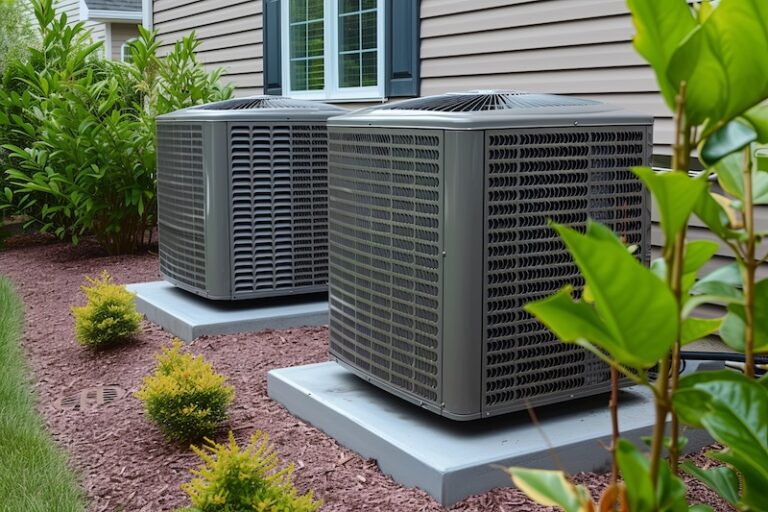
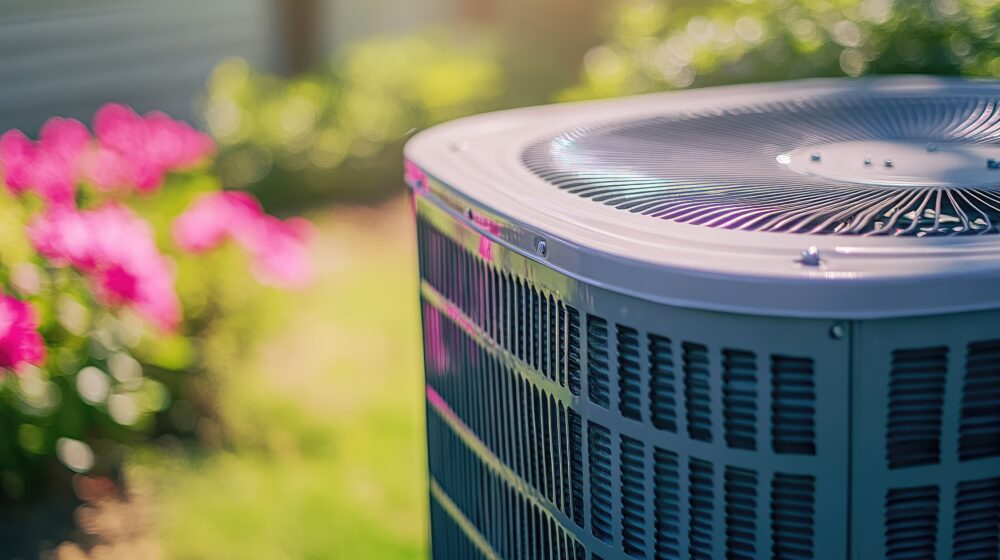
Central air conditioning systems operate through a simple yet elegant cycle of heat transfer. Your system has two main parts: an outdoor unit containing the compressor and condenser coils, and an indoor unit with the evaporator coil. Refrigerant, a special cooling fluid, circulates between these units through copper lines.
Here’s what happens during the cooling process. Cool refrigerant flows through the indoor evaporator coil, absorbing heat from the air in your home. That heat-laden refrigerant then travels outside to the condenser unit, where it releases the heat it absorbed. The refrigerant cools again and returns indoors to repeat the cycle. Meanwhile, your thermostat monitors indoor temperature and signals the system to run when cooling is needed. Air flows through ducts, providing comfort throughout your entire home.
Think of your AC system like a heat shuttle, constantly moving warmth from inside your home to the outside air. When everything works properly, this process runs quietly and efficiently. When something goes wrong, your system has to work harder, consuming more energy and delivering less comfort. Understanding this basic cycle helps you appreciate why maintenance matters and why certain problems require professional attention.
Essential Maintenance You Can Do Yourself
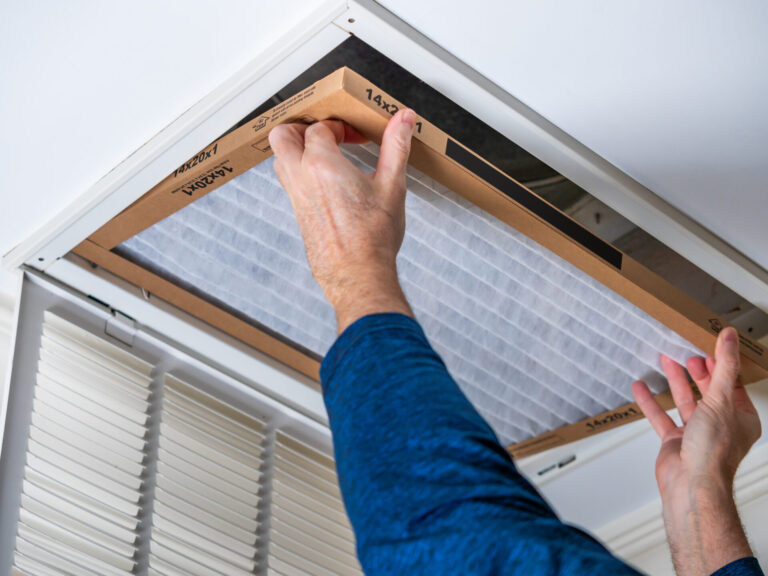
You don’t need a professional license to perform basic AC maintenance that keeps your system running smoothly. The most important task is changing or cleaning your air filter every one to three months, depending on usage and home conditions. A clogged filter restricts airflow, forcing your system to work harder and reducing cooling efficiency significantly. To change your filter, simply turn off your system, locate the filter in your air handler or furnace cabinet, and swap it for a new one rated for your system. If you have pets or live in a dusty area, check filters monthly for best results.
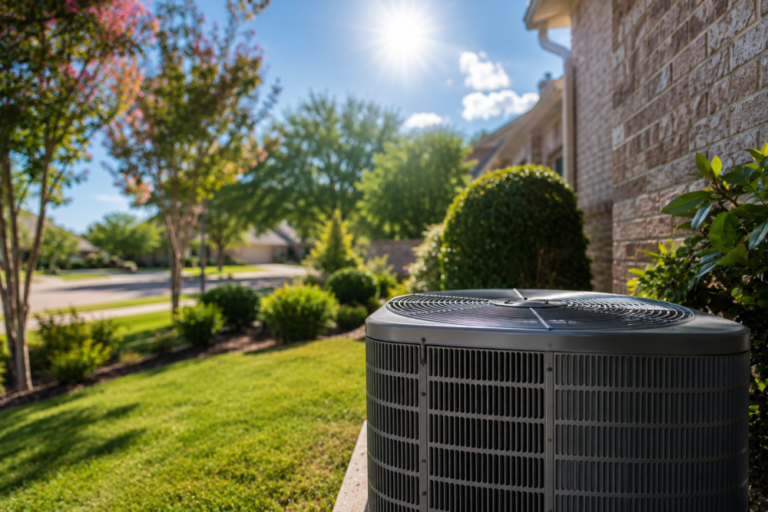
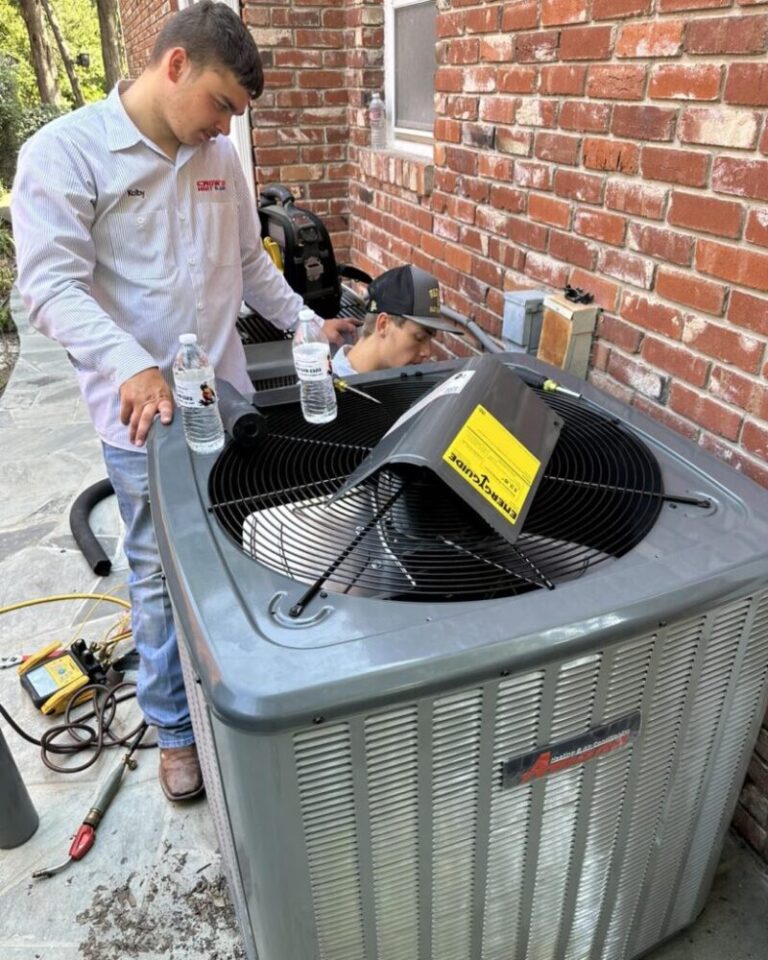
Next, keep your outdoor condenser unit clear of debris. Remove leaves, branches, and grass clippings that accumulate around the unit. Maintain at least two feet of clearance on all sides to ensure proper airflow and prevent your system from overheating. You can gently rinse the outdoor fins with a garden hose if they’re visibly dirty, but avoid high-pressure washing that could damage delicate aluminum fins and reduce efficiency.
Finally, keep blinds and curtains closed during the hottest parts of the day, and consider running ceiling fans to circulate cool air more effectively throughout your home. These simple steps reduce the demand on your AC and help it operate at peak performance while lowering your energy bills.
Clear Signs It’s Time to Call Crow’s Heat & Air
Certain issues require professional expertise and shouldn’t be ignored. If you notice warm air blowing from your vents despite the system running, you may have a refrigerant leak or compressor problem requiring immediate attention. Water pooling around your indoor unit indicates a clogged condensate drain that can cause water damage. Strange noises, reduced airflow, foul odors, or a system that won’t start at all demand professional diagnosis and repair.
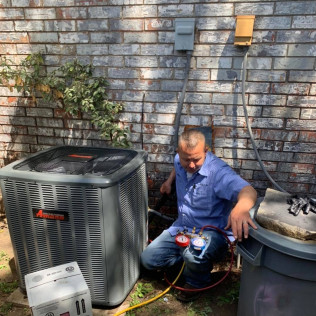
Additionally, schedule professional maintenance annually before the cooling season begins. Our technicians perform thorough inspections, clean coils, check refrigerant levels, verify electrical connections, and address hidden issues you can’t spot yourself. Industry data shows regular maintenance can extend your system’s lifespan from 10 years to 15 or 20 years while improving efficiency and preventing costly emergency repairs during peak summer heat when technicians are busiest.
Your Trusted Cooling Partner
Your central air conditioning system keeps your home comfortable and your family safe during extreme heat. Understanding how it works empowers you to maintain it properly and recognize when professional help is needed.
Don’t wait until your AC fails on the hottest day of the year. Contact Crow’s Heat & Air today for professional maintenance, expert repairs, or to discuss whether your system needs upgrading. Our team is ready to keep you cool all summer long.