
Spring Cleaning for Your HVAC System: What Should You Do Before the Texas Heat Arrives? Spring in Collin County is a narrow window of opportunity. Before the temperatures in Princeton, McKinney, and the surrounding communities climb into the upper nineties and your air conditioner becomes the most important appliance in the house, there is a short, ideal stretch of mild weather to get your HVAC system properly serviced and ready for what is coming. The homeowners who take advantage of that window consistently see better performance, lower energy bills, and fewer emergency calls in the middle of a July heat wave. The ones who skip it often find out the hard way that a system running on a dirty coil or a low refrigerant charge cannot keep up when it matters most. At Crow's Heat and Air, we have been serving homeowners and businesses in Collin County and the surrounding areas since 1992. As a local, family-owned company led by owner Jason Crow, who holds his Master Contractors License, our goal has always been simple: lifetime customers who trust us to keep their homes comfortable year-round. Here is what a proper spring HVAC tune-up looks like and why it matters. Spring AC Maintenance Tips That Improve Efficiency and Prevent Summer Breakdowns in North Texas The heat that builds across Collin County from May through September puts enormous demand on residential and commercial HVAC systems. A system that has not been properly maintained heading into that season is working harder than it needs to, costing more to run, and carrying a higher risk of a component failure at the worst possible time. Change or Clean Your Air Filter First It sounds basic because it is, but a clogged or dirty air filter remains one of the most common and most impactful causes of reduced HVAC efficiency. A filter that has not been changed in several months restricts airflow through the system, forcing the blower motor to work harder and reducing the ability of the evaporator coil to transfer heat effectively. The U.S. Department of Energy notes that replacing a dirty, clogged filter can lower your air conditioner's energy consumption measurably, which in a Texas summer translates directly into real dollars on every monthly bill. For most North Texas homes, a filter change every one to three months is appropriate, with more frequent changes in households with pets, allergy sufferers, or higher-than-average dust levels. Spring is the perfect time to replace the filter, inspect the filter housing for any gaps or bypasses where unfiltered air can enter the system, and confirm that you have the right filter type and MERV rating for your equipment. Clean the Outdoor Condenser Unit Your outdoor condenser unit spent the winter collecting debris. Leaves, grass clippings, cottonwood seeds, and general yard material accumulate in and around the coil fins, restricting the airflow the unit needs to reject heat from your home. A condenser that cannot breathe efficiently runs hotter, works harder, and wears out faster than one that is clean and clear. A proper spring cleaning of the condenser starts with turning off the power to the unit at the disconnect and removing any visible debris from around the cabinet. The coil fins can be carefully rinsed from the inside out with a garden hose to remove accumulated dirt without bending the delicate fin material. Trim back any vegetation that has grown within two feet of the unit during the winter, and make sure the unit is sitting level on its pad, as settling over time can affect drainage and operation. This is also a good time to inspect the condition of the refrigerant lines running from the outdoor unit to the interior of the house. The foam insulation on the suction line degrades over time and should be replaced when it shows signs of cracking or missing sections. Schedule a Professional Spring Tune-Up Some of the most important maintenance tasks on an HVAC system require licensed professional equipment and expertise. This is where an annual spring tune-up from Crow's Heat and Air goes well beyond what a homeowner can accomplish independently. A professional tune-up includes checking the refrigerant charge and inspecting for leaks, which cannot be done without certified handling equipment. It includes cleaning the evaporator coil inside the air handler, which accumulates dust and biological growth that reduces heat transfer efficiency and can affect indoor air quality. It includes checking electrical connections, testing capacitors and contactors, verifying thermostat calibration, measuring airflow, and inspecting the condensate drain system. The condensate drain deserves specific mention for Collin County homeowners. In the heat and humidity of a North Texas summer, an air conditioner removes significant moisture from the air, and that water drains through a PVC line that is prone to algae growth and clogging. A blocked condensate line causes water to back up into the drain pan and eventually overflow, leading to water damage in the ceiling or attic space. Clearing and treating the drain line in spring is a simple step that prevents a surprisingly common and costly problem. Check Your Thermostat and Zoning Systems Spring is also the right time to evaluate how your thermostat is performing and whether it is configured to run your system efficiently through the summer. If you are still running a non-programmable thermostat, upgrading to a programmable or smart thermostat is one of the most cost-effective HVAC investments available, allowing you to automatically raise the setpoint while your home is empty during the day and cool it down before you return. For homes with zoning systems, verify that all zone dampers are operating correctly and that each zone is responding properly to its individual thermostat. Zoning issues often go unnoticed during mild weather and only become apparent when the system is under full cooling load in the summer heat. Ready to Get Your HVAC System Ready for a North Texas Summer? Call Crow's Heat and Air Today. Serving Princeton, McKinney, and Collin County since 1992, Crow's Heat and Air is your local, family-owned HVAC partner for spring tune-ups, maintenance plans, repairs, and new system installations. Do not wait until the heat arrives to find out your system has a problem. Call us today to schedule your spring maintenance and head into summer with complete confidence in your comfort system.

Spring Cleaning for Your HVAC System: What Should You Do Before the Texas Heat Arrives?

Spring in Collin County is a narrow window of opportunity. Before the temperatures climb into the upper nineties and your air conditioner becomes the most important appliance in the house, there is a short, ideal stretch of mild weather to get your HVAC system properly serviced and ready for what is coming. The homeowners who take advantage of that window consistently see better performance, lower energy bills, and fewer emergency calls in the middle of a July heat wave. The ones who skip it often find out the hard way that a system running on a dirty coil or a low refrigerant charge cannot keep up when it matters most. At Crow’s Heat and Air, we have been serving homeowners and businesses in Collin County and the surrounding areas. As a local, family-owned company, our goal has always been simple: lifetime customers who trust us to keep their homes comfortable year-round. Here is what a proper spring HVAC tune-up looks like and why it matters.
Spring Cleaning for Your HVAC System: What Should You Do Before the Texas Heat Arrives?

Spring AC Maintenance Tips That Improve Efficiency and Prevent Summer Breakdowns in North Texas

The heat that builds across Collin County from May through September puts enormous demand on residential and commercial HVAC systems. A system that has not been properly maintained heading into that season is working harder than it needs to, costing more to run, and carrying a higher risk of a component failure at the worst possible time.

Change or Clean Your Air Filter First

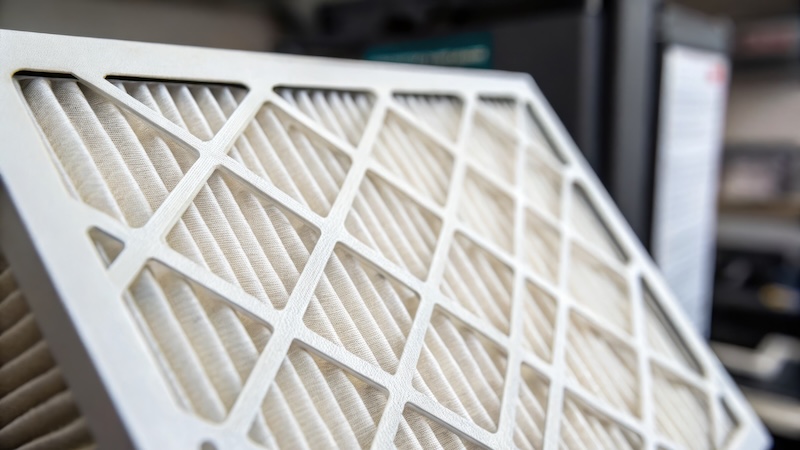
It sounds basic because it is, but a clogged or dirty air filter remains one of the most common and most impactful causes of reduced HVAC efficiency. A filter that has not been changed in several months restricts airflow through the system, forcing the blower motor to work harder and reducing the ability of the evaporator coil to transfer heat effectively. The U.S. Department of Energy notes that replacing a dirty, clogged filter can lower your air conditioner’s energy consumption measurably, which in a Texas summer translates directly into real dollars on every monthly bill.

For most North Texas homes, a filter change every one to three months is appropriate, with more frequent changes in households with pets, allergy sufferers, or higher-than-average dust levels. Spring is the perfect time to replace the filter, inspect the filter housing for any gaps or bypasses where unfiltered air can enter the system, and confirm that you have the right filter type and MERV rating for your equipment.

Clean the Outdoor Condenser Unit

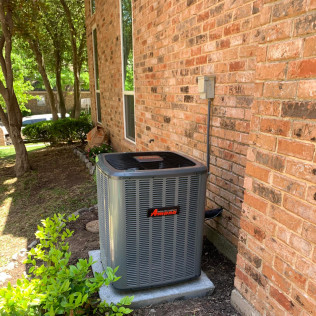
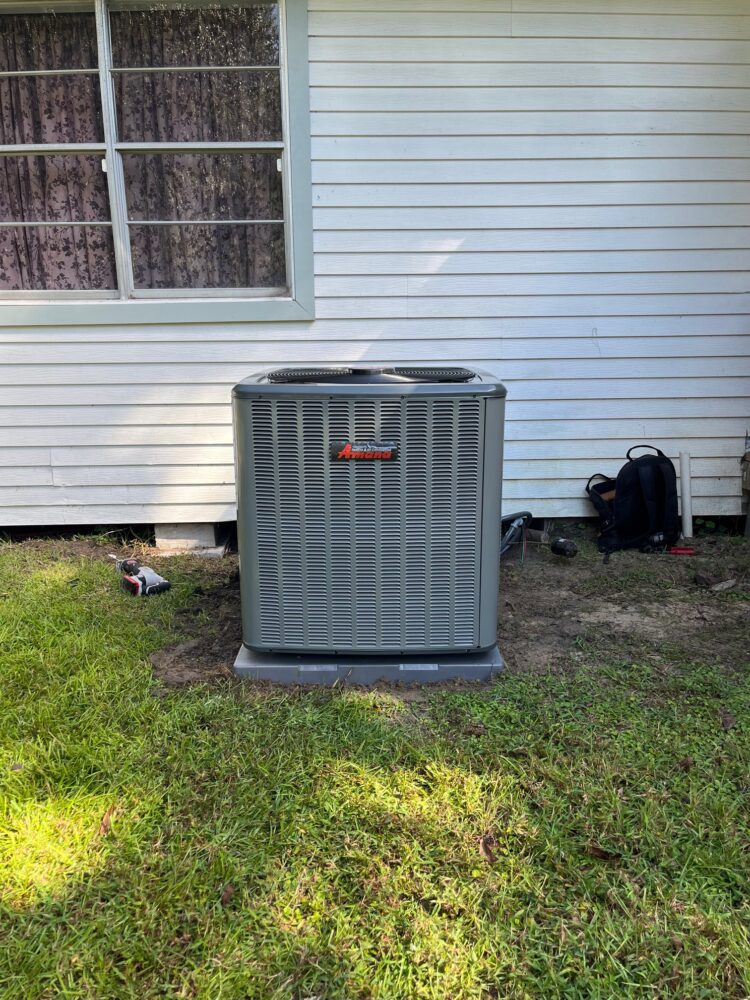
Your outdoor condenser unit spent the winter collecting debris. Leaves, grass clippings, cottonwood seeds, and general yard material accumulate in and around the coil fins, restricting the airflow the unit needs to reject heat from your home. A condenser that cannot breathe efficiently runs hotter, works harder, and wears out faster than one that is clean and clear.

A proper spring cleaning of the condenser starts with turning off the power to the unit at the disconnect and removing any visible debris from around the cabinet. The coil fins can be carefully rinsed from the inside out with a garden hose to remove accumulated dirt without bending the delicate fin material. Trim back any vegetation that has grown within two feet of the unit during the winter, and make sure the unit is sitting level on its pad, as settling over time can affect drainage and operation.

This is also a good time to inspect the condition of the refrigerant lines running from the outdoor unit to the interior of the house. The foam insulation on the suction line degrades over time and should be replaced when it shows signs of cracking or missing sections.

Schedule a Professional Spring Tune-Up

Some of the most important maintenance tasks on an HVAC system require licensed professional equipment and expertise. This is where an annual spring tune-up from Crow’s Heat and Air goes well beyond what a homeowner can accomplish independently.

A professional tune-up includes checking the refrigerant charge and inspecting for leaks, which cannot be done without certified handling equipment. It includes cleaning the evaporator coil inside the air handler, which accumulates dust and biological growth that reduces heat transfer efficiency and can affect indoor air quality. It includes checking electrical connections, testing capacitors and contactors, verifying thermostat calibration, measuring airflow, and inspecting the condensate drain system.

The condensate drain deserves specific mention for Collin County homeowners. In the heat and humidity of a North Texas summer, an air conditioner removes significant moisture from the air, and that water drains through a PVC line that is prone to algae growth and clogging. A blocked condensate line causes water to back up into the drain pan and eventually overflow, leading to water damage in the ceiling or attic space. Clearing and treating the drain line in spring is a simple step that prevents a surprisingly common and costly problem.

Check Your Thermostat and Zoning Systems

Spring is also the right time to evaluate how your thermostat is performing and whether it is configured to run your system efficiently through the summer. If you are still running a non-programmable thermostat, upgrading to a programmable or smart thermostat is one of the most cost-effective HVAC investments available, allowing you to automatically raise the setpoint while your home is empty during the day and cool it down before you return.

For homes with zoning systems, verify that all zone dampers are operating correctly and that each zone is responding properly to its individual thermostat. Zoning issues often go unnoticed during mild weather and only become apparent when the system is under full cooling load in the summer heat.


Ready to Get Your HVAC System Ready for a North Texas Summer? Call Crow’s Heat and Air Today.

Crow’s Heat and Air is your local, family-owned HVAC partner for spring tune-ups, maintenance plans, repairs, and new system installations. Do not wait until the heat arrives to find out your system has a problem. Call us today to schedule your spring maintenance and head into summer with complete confidence in your comfort system.


Similar Posts