
Energy Efficiency and Your HVAC: How Can You Lower Your Utility Bills Without Sacrificing Comfort?
For homeowners across Princeton, McKinney, and Collin County, the monthly utility bill is one of the most direct reflections of how well your HVAC system is performing. And in North Texas, where summer temperatures routinely push into the upper nineties and your air conditioner runs nearly continuously from May through September, that bill can be significant. The good news is that most of the factors driving up your energy costs are within your control. Smarter habits, the right maintenance, and strategic equipment choices can make a meaningful difference in what you pay every month without giving up the comfort your family depends on. According to the U.S. Department of Energy, nearly half of the energy used in a typical home goes to heating and cooling, which means improvements in HVAC efficiency pay off faster than almost any other investment in your home. At Crow’s Heat and Air, we have been serving homeowners and businesses throughout Collin County since 1992.
Smart HVAC Energy Saving Tips for North Texas Homeowners: What Works and What to Prioritize
Not all energy-saving advice is created equal. Some changes cost nothing and deliver immediate results. Others require an investment that pays back over time. Understanding which category each strategy falls into helps you prioritize effectively.
Maintenance: The Foundation Every Other Strategy Depends On
Before investing in upgrades or adjusting habits, the most important step is making sure the system you already have is operating as efficiently as it was designed to. A system that has not been properly maintained cannot perform at its rated efficiency regardless of its original SEER rating or how recently it was installed.
Filter changes are the most accessible and consistently high-impact maintenance task available to homeowners. A dirty filter slows airflow and forces the system to work harder to maintain your desired temperature, wasting energy and putting unnecessary strain on components that wear out faster under that kind of load. For most Collin County homes running through a Texas summer, checking the filter monthly and replacing it every one to three months keeps airflow where it needs to be.
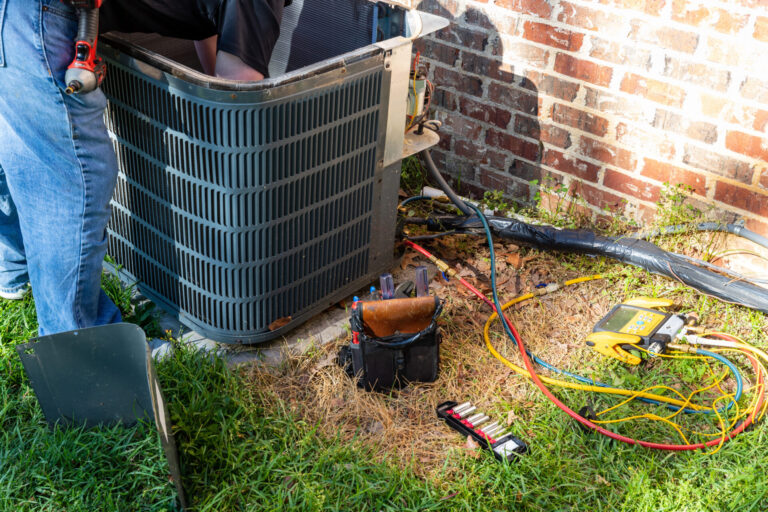
Beyond the filter, a professional annual tune-up addresses the components that homeowners cannot check themselves. Refrigerant levels, coil cleanliness, electrical connections, and capacitor condition all directly affect how efficiently the system runs. A system working with a dirty evaporator coil or a slightly low refrigerant charge uses measurably more electricity for the same cooling output. Catching and correcting these issues before peak demand season is far less costly than running an inefficient system through four months of Texas summer.
Duct Performance: Where Efficiency Quietly Disappears
One of the most underappreciated sources of energy waste in North Texas homes is the duct system. Many homeowners invest in quality equipment without realizing that a significant portion of that conditioned air never reaches the living space because the ductwork is leaking or poorly insulated in a hot attic.
The U.S. Department of Energy estimates that sealing and insulating ducts can improve heating and cooling efficiency by as much as 20 percent, and sometimes considerably more. In a Collin County home where ductwork runs through an attic that reaches 140 degrees on a July afternoon, uninsulated or leaking duct runs are transferring significant heat back into the air you just paid to cool. This is a problem that does not announce itself loudly, but it shows up reliably on every summer utility bill.
Crow’s Heat and Air can inspect your duct system for leaks and insulation deficiencies as part of a comprehensive HVAC evaluation, identifying whether ductwork is a significant factor in your energy costs before recommending any equipment upgrades.
Thermostat Strategy: Small Setpoint Changes Add Up Significantly
How you use your thermostat has a direct and measurable impact on your energy costs, and the opportunities for savings are larger than most homeowners realize. ENERGY STAR estimates that homes with high cooling bills can save approximately $100 a year simply by switching to a certified smart thermostat and using it as designed.
The savings come primarily from automatically raising the setpoint during hours when the home is empty and gradually restoring comfort before occupants return. In a climate like Collin County’s, where homes can be unoccupied for eight or more hours on weekdays, allowing the setpoint to drift several degrees during those hours and then recovering before the family arrives home produces consistent savings without anyone ever feeling the difference.
A smart thermostat also provides visibility into how your system is running, including runtime data that can help identify efficiency problems before they become larger issues. If your system is running significantly more than it did in previous summers to maintain the same temperature, that pattern in the thermostat data is often an early indicator of a maintenance need.
Equipment Age and SEER Ratings: When Upgrading Makes Financial Sense
Maintenance and behavioral changes will take an aging system as far as it can go, but there is a ceiling on what a system installed fifteen or more years ago can achieve regardless of how well it has been maintained. Older equipment was built to lower efficiency standards than what is available today, and the wear that accumulates over years of operation pushes real-world efficiency further below the original rated performance.
The U.S. Department of Energy estimates that upgrading an outdated HVAC system can reduce monthly utility bills by 20 to 40 percent. For a household spending several hundred dollars a month on cooling through a Collin County summer, that range represents meaningful annual savings that compound over the lifespan of the new equipment.
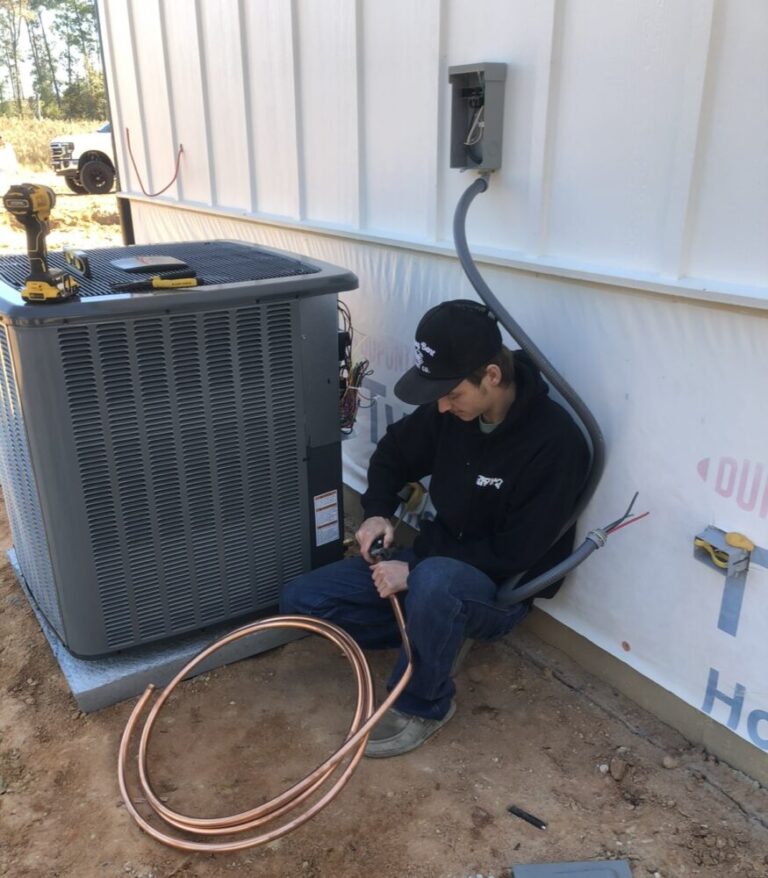
When evaluating a potential replacement, SEER2 rating is the key efficiency metric for cooling equipment. Higher SEER2 ratings translate directly into lower operating costs per unit of cooling delivered. Crow’s Heat and Air can walk you through a straightforward cost comparison between maintaining your current system and replacing it with a higher-efficiency unit, so you can make that decision based on real numbers rather than guesswork.
Ready to Start Spending Less on Your Utility Bills? Call Crow’s Heat and Air Today.
Serving Princeton, McKinney, and communities throughout Collin County since 1992, Crow’s Heat and Air is your trusted, family-owned HVAC partner for maintenance, efficiency upgrades, and honest guidance on every decision in between. Contact us today to schedule a service visit and find out exactly where your energy dollars are going.