
HVAC in Extreme Cold: Preparing Your System for Cold Snaps
Don’t Let Winter Catch Your Heating System Unprepared: Essential Cold-Weather Protection
When extreme cold strikes, your heating system becomes the lifeline of your home. But winter doesn’t create HVAC problems so much as it exposes the ones that have been quietly building. At Crow’s Heat & Air, we’ve spent years helping homeowners prepare their systems for brutal cold snaps, and we know that prevention is infinitely easier than emergency repairs at 2 AM when temperatures have plummeted. The challenge is simple but critical: extreme cold pushes furnaces and heat pumps to their maximum capacity, sometimes beyond safe operating limits. When outdoor temperatures drop to single digits or below zero, your heating system runs longer and harder than at any other time of year, accelerating wear on components and increasing the likelihood of failure precisely when you need it most. The good news is that proper preparation takes just hours and can prevent weeks of discomfort and thousands in emergency repair costs. Understanding how extreme cold affects your HVAC system and taking deliberate steps before the freeze arrives makes the difference between steady winter comfort and a household crisis. We’ll walk you through the essential preparation steps that keep your system running safely and efficiently, no matter how cold it gets.
How Extreme Cold Strains Your HVAC System
Cold doesn’t just make your furnace work harder, it fundamentally changes how your system operates. When outdoor temperatures reach zero or below, furnaces run almost continuously, cycling on and off in very brief intervals as they work to maintain your desired indoor temperature. Components like ignition systems, blower motors, and heat exchangers operate near their maximum capacity for extended periods. For heat pumps, extreme cold presents particular challenges. These systems extract heat from the cold outdoor air, and their efficiency drops significantly below freezing. Many heat pump systems include backup electric heat that engages in extreme cold, but if your system isn’t properly maintained, backup heat may not engage correctly, leaving you with inadequate heating. Neglected systems that ran adequately through mild winters often fail during extreme cold because winter exposes weaknesses that have been building all year. A furnace you haven’t serviced in two years might limp through a 30-degree winter but fail completely during a subzero cold snap.
Essential Pre-Cold Snap Maintenance
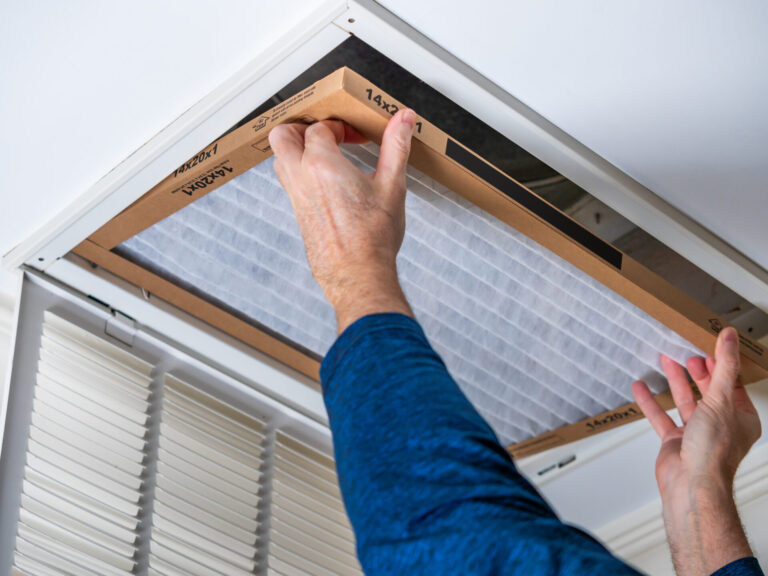
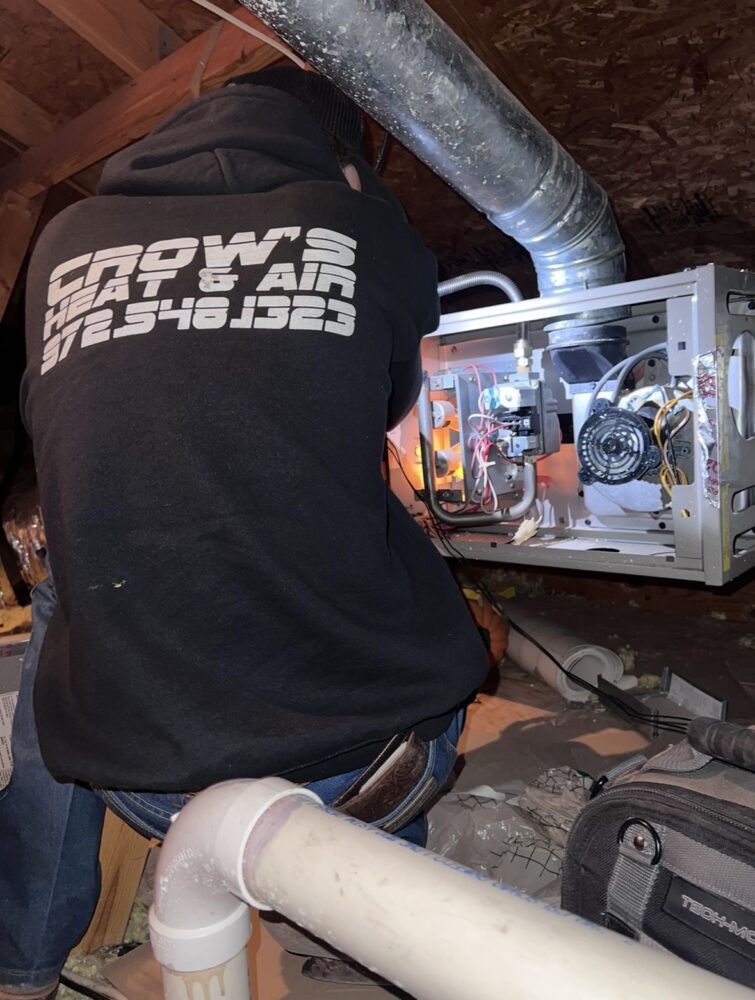
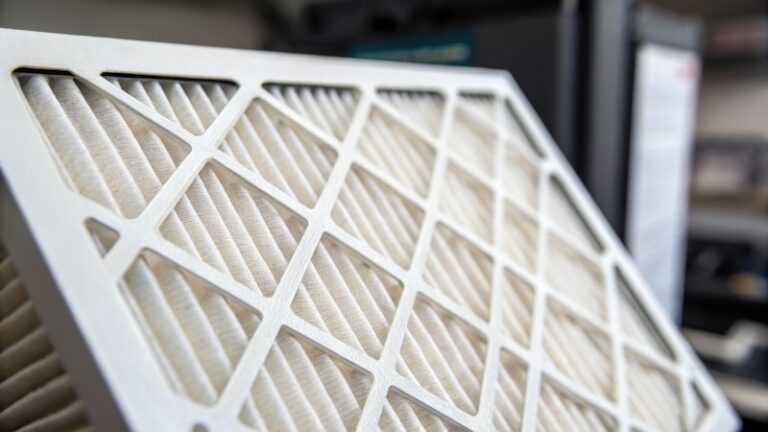
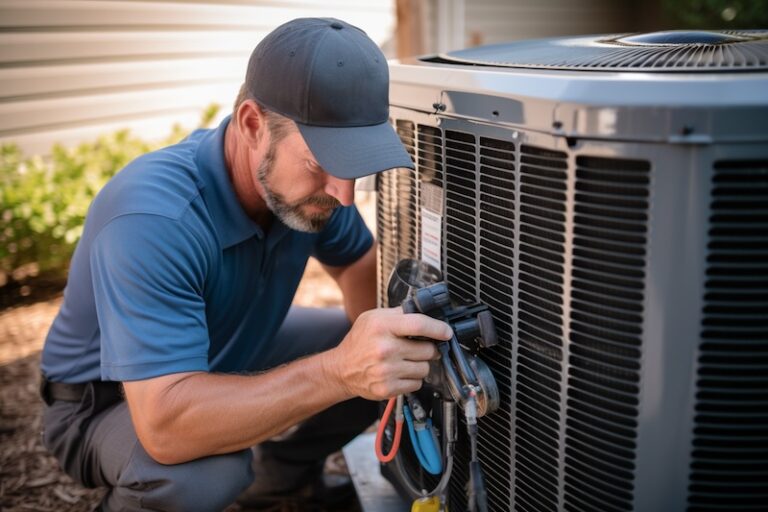
The foundation of cold-weather preparation is professional maintenance. Schedule a heating system tune-up at least two weeks before you expect extreme cold. A certified HVAC technician will inspect burners, test ignition systems, check heat exchangers, verify safety switches, and ensure all electrical connections are secure. This visit costs a fraction of emergency repairs and catches problems early. Between professional visits, perform simple maintenance yourself. Check your furnace filter immediately and plan to replace it monthly during heating season. Dirty filters restrict airflow, forcing your system to work harder while delivering less heat. Clear all vents and registers throughout your home, ensuring warm air can circulate freely. Walk through each room and remove furniture, rugs, or drapes blocking vents. Check your thermostat batteries are fresh and settings are correct. Test your system early, ideally in late fall before serious cold arrives, listening for unusual sounds and verifying even heating throughout your home.
Reduce System Strain During Extreme Cold
When cold snaps arrive, you can take steps to ease the burden on your heating system. Seal drafts around windows and doors using weatherstripping or caulk. Check your attic insulation and add more if needed. Poor insulation forces your furnace to run longer cycles to maintain temperature. Set your thermostat to a steady temperature and resist frequent adjustments. Rapid temperature changes strain your system far more than maintaining a constant setpoint. Many people program their thermostats to drop temperature at night during normal winters, but during extreme cold snaps, set it to hold steady at your comfort temperature. Keep your thermostat away from drafts, direct sunlight, or heat sources that provide false temperature readings. Close doors to unused rooms, reducing the total space your system must heat. Use passive solar heat on sunny days by opening south-facing drapes. Consider using a supplemental space heater in the room where you spend most time, easing the workload on your furnace.
Safety Considerations for Winter
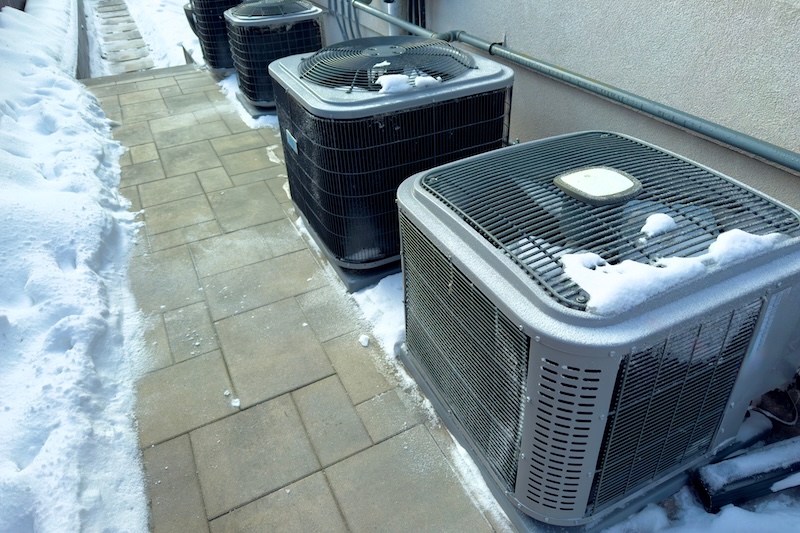
Safety is paramount during extreme cold. Test your carbon monoxide detector and replace batteries. Ensure furnace exhaust pipes are clear of snow and ice. Keep your outdoor unit clear of snow and debris. Never cover your outdoor unit unless a blizzard is actively occurring, and use only breathable covers. If you need supplemental heat, avoid fireplaces and ovens. Fireplaces actually pull heated air from your home through the chimney, making your furnace work harder. Never leave space heaters unattended while running.
Don’t Wait for the Cold to Arrive: Prepare Your System Today
Crow’s Heat & Air is ready to help you prepare for winter. Schedule your heating tune-up today and avoid emergency calls during the coldest nights of the year. Our certified technicians know how to winterize your system for reliable, efficient performance through any cold snap. Contact us now for peace of mind and warmth when you need it most.